
.png)





What Is a Builder Gel Manicure? Everything You Need to Know Before Your Next Appointment
If you've spent any time browsing nail salon menus or scrolling nail content lately, you've probably run into the term "builder gel" and wondered what exactly separates it from every other kind of gel out there. Gel polish, hard gel, soft gel, builder gel – at some point it starts to feel like the industry invented five different names for what should be one simple decision.
Here's the good news: builder gel isn't actually complicated once you understand what problem it's solving. It's not really about color or trends. It's about giving your natural nails structural support – think of it less like a coat of paint and more like scaffolding. Once you get that distinction, the rest makes a lot more sense.
Let's walk through what builder gel actually is, how it compares to the other enhancement options out there, and – maybe most usefully – how to figure out whether it's the right call for your nails specifically.
What Builder Gel Actually Is
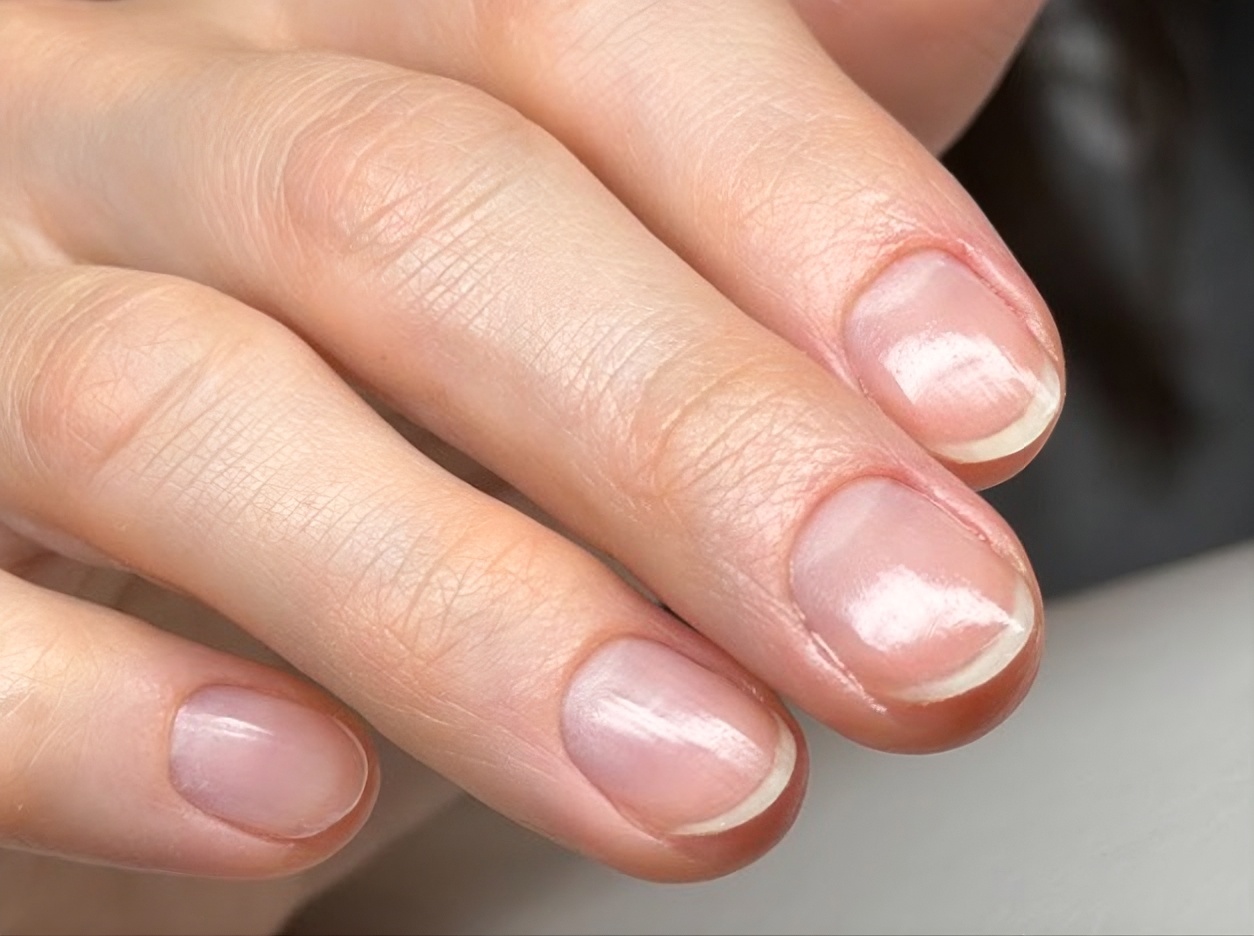
Builder gel is a thick, gel-based product designed to reinforce or extend the natural nail. Unlike gel polish, which is a thin color layer meant purely for shine and chip resistance, builder gel is applied to add real structure. It can be used two ways: as an overlay directly on your natural nails to strengthen them, or combined with tips or nail forms to build out length as an extension.
Once applied, it's cured under a UV or LED lamp, which hardens it into a finish that's durable but still noticeably flexible compared to something like hard acrylic. That flexibility is actually the whole point – it lets the product hold up to daily bumps and pressure without cracking, while still moving somewhat naturally with your nail instead of sitting on it like a rigid shell.
In the industry, you'll sometimes hear this category called "BIAB" (builder in a bottle) or simply grouped in under structural hard gel – the terminology varies more than the underlying concept does. What matters for you as a client isn't the label, it's understanding that this is a strengthening product first, and a length or color product second.
Why People Reach for Builder Gel
There are a few specific situations where builder gel tends to come up as the recommended option, and they're worth knowing so you can recognize if you're one of them.
Weak or brittle nails. If your natural nails peel, split, or seem to break the moment they get any length, a builder gel overlay creates a protective layer that shields the nail while it grows out. This is probably the single most common reason people try it.
Wanting length without the weight or smell of acrylic. Builder gel can be sculpted to add length much like acrylic does, but it tends to feel lighter on the hand and skips the strong chemical odor that acrylic application is known for.
A more natural look and feel. Compared to traditional acrylic, builder gel typically results in a glossier, more translucent finish that reads as closer to a real, healthy nail rather than an obviously built one.
Lower maintenance between visits. Because builder gel is refillable rather than requiring full removal every few weeks, upkeep tends to be more like a gel manicure – periodic refills – rather than a full teardown and rebuild each time.
None of this means builder gel is automatically the "best" option for everyone. It just means it solves a specific set of problems particularly well: weak nails, a desire for natural-looking length, and lower ongoing maintenance.
Builder Gel vs. Acrylic: The Real Differences
This comparison comes up constantly, so let's actually get into it rather than just saying "gel is better."
Acrylic is created by mixing a liquid monomer with a powder, which then air-dries into a hard shell – no UV lamp involved. It's been around for decades because it works: acrylic is extremely durable, holds intricate sculpted shapes well, and is genuinely hard to beat for dramatic length.
The tradeoffs are real, though. Acrylic tends to be more rigid, which means it's more prone to cracking or lifting under pressure rather than flexing with an impact. The application process involves a distinct chemical smell that some clients find unpleasant, and because it's a harder, less forgiving material, poor application or over-filing can be rougher on the natural nail underneath.
Builder gel, by contrast, cures under a lamp rather than air-drying, has little to no odor, and keeps some flexibility even after curing – which is why it tends to be more forgiving for people who are hard on their hands throughout the day. It usually requires less aggressive filing during application and application too, and many clients describe it as more comfortable to wear.
Neither one is objectively "better" across the board – acrylic still has a place for clients chasing maximum length and hold, and builder gel wins for anyone prioritizing a natural feel, comfort, and lower odor. It really comes down to what you're optimizing for.
How Long Does It Actually Last?
This is usually the first question people ask, and it's a fair one – durability is a big part of why anyone chooses an enhancement over regular polish in the first place.
Generally speaking, a well-applied builder gel set holds up for around three to four weeks before it needs a refill, sometimes longer depending on how fast your natural nails grow and how you treat them day to day. That said, longevity isn't just about the product itself – it depends heavily on three things: how thoroughly the nail was prepped before application, how correctly the gel was applied and cured, and how the nails are cared for afterward.
A few habits that genuinely extend the life of any gel enhancement: applying cuticle oil daily to keep the surrounding skin (and the seal at the cuticle line) healthy, wearing gloves for cleaning or dishes to avoid prolonged water and chemical exposure, and resisting the urge to use your nails as tools – opening cans, peeling stickers, all the small things that put unnecessary stress on the tip of the nail.
Rather than removing the whole set every time it grows out, most clients get it refilled – the existing product is refreshed and extended rather than stripped down to bare nail each visit, which is part of why maintenance tends to feel lighter than a full acrylic rebuild.
What the Application Process Actually Involves
It's worth understanding what's actually happening during a builder gel appointment, partly because it explains why the skill of the technician matters so much here.
The process starts with prepping the natural nail – removing any old product, gently working back the cuticle, shaping the nail, and lightly buffing the surface so the gel has something to properly grip onto. Next comes a dehydrator and primer, which strip any natural oils off the nail plate so the product bonds securely rather than lifting prematurely.
From there, a thin base layer of gel is brushed on and cured, followed by a thicker structural layer that actually builds the shape – this is where length and apex (the curve of the nail) get sculpted, using forms or tips if extensions are involved. That layer gets cured again, filed and refined to perfect the shape, and finished with a top coat for shine (or a matte finish, if that's your preference), cured one final time, and finished with cuticle oil.
Every one of those steps is a place where shortcuts show up later. Skip the dehydrating step, and the gel lifts early. Rush the prep, and the shape looks uneven within a week. This is a technical service, not a quick coat of polish, and it should be treated – and priced – accordingly.
Where This Fits Into How We Do Things at Flamant
Here's where we'll be straightforward with you: at Flamant, we don't market a separate "builder gel" service under that specific name – what we offer is Hard Gel, which solves the same underlying problem (reinforcing and strengthening the natural nail, or building structured extensions) using premium hard gel product and a foundation we believe matters even more than the gel itself: proper prep.
Every Hard Gel service at Flamant starts with a precise Russian dry manicure using e-file technique – detailed cuticle work and thorough nail bed prep before any product goes anywhere near the nail. This is the exact step that determines whether a gel enhancement lasts three weeks looking clean, or starts lifting and looking rough within days. From there, we apply premium hard gel – either as an overlay to reinforce natural nails, or sculpted into full extensions using top or bottom forms – building proper structure and apex for a result that's strong, smooth, and genuinely natural-looking rather than bulky or obviously "done."
If your nails need extra strength while they grow out, if you're tired of breakage, or if you want length that doesn't feel heavy or smell overwhelming during application, this is exactly the kind of service that solves it – we just build it around Russian manicure prep rather than treating cuticle care as an afterthought.
Builder Gel, Hard Gel, or Something Else? How to Decide
If you're trying to figure out what actually makes sense for you, a few honest questions help:
Are your nails currently weak, thin, or breaking easily? A hard gel overlay – no extensions, just reinforcement on your natural nail – is often the right starting point. Give your nails a season to grow out stronger under that protective layer before deciding whether you want length added.
Do you want length but you're nervous about the weight or smell of traditional acrylic? Hard gel extensions are worth trying. They can be sculpted into the same shapes acrylic can achieve, with a lighter feel and virtually no odor during application.
Is a crisp, clean cuticle line important to you, on any product you choose? This isn't actually about which gel you pick – it's about the prep technique underneath, and it's worth specifically asking for Russian manicure prep regardless of what goes on top.
How much upkeep are you realistically willing to commit to? Hard gel, like builder gel, is refillable – plan on returning every three to four weeks rather than letting it grow out for months, which is both better for your natural nail and better for how the set looks the whole time in between.
The Bottom Line
Builder gel earned its popularity for a real reason – it strengthens weak nails, adds natural-looking length without the smell or weight of acrylic, and holds up well with reasonable, refillable maintenance. But whatever you call the product – builder gel, hard gel, structured gel – the thing that actually determines your results is the same every time: the quality of the prep underneath, and the skill of the hands doing the work.
That's the part we focus on most. If you're curious whether hard gel is the right call for your nails, come sit down with us – we'll take a look at your natural nails, talk through what you're actually trying to achieve, and build a plan around Russian manicure prep and premium hard gel that's suited to you specifically, not just whatever's trending this month.
Book your appointment at our Lincoln Park or Wilmette studio – including one of our private rooms if you'd like a quieter, more personal experience – and let's get your nails the structure and strength they actually need.
Recommended
Articles
Meet the Flamant Nail Boutique Team: The Nail Technicians Behind the Salon

Nail Salon Gift Cards in Chicago: The Self-Care Gift That Always Fits