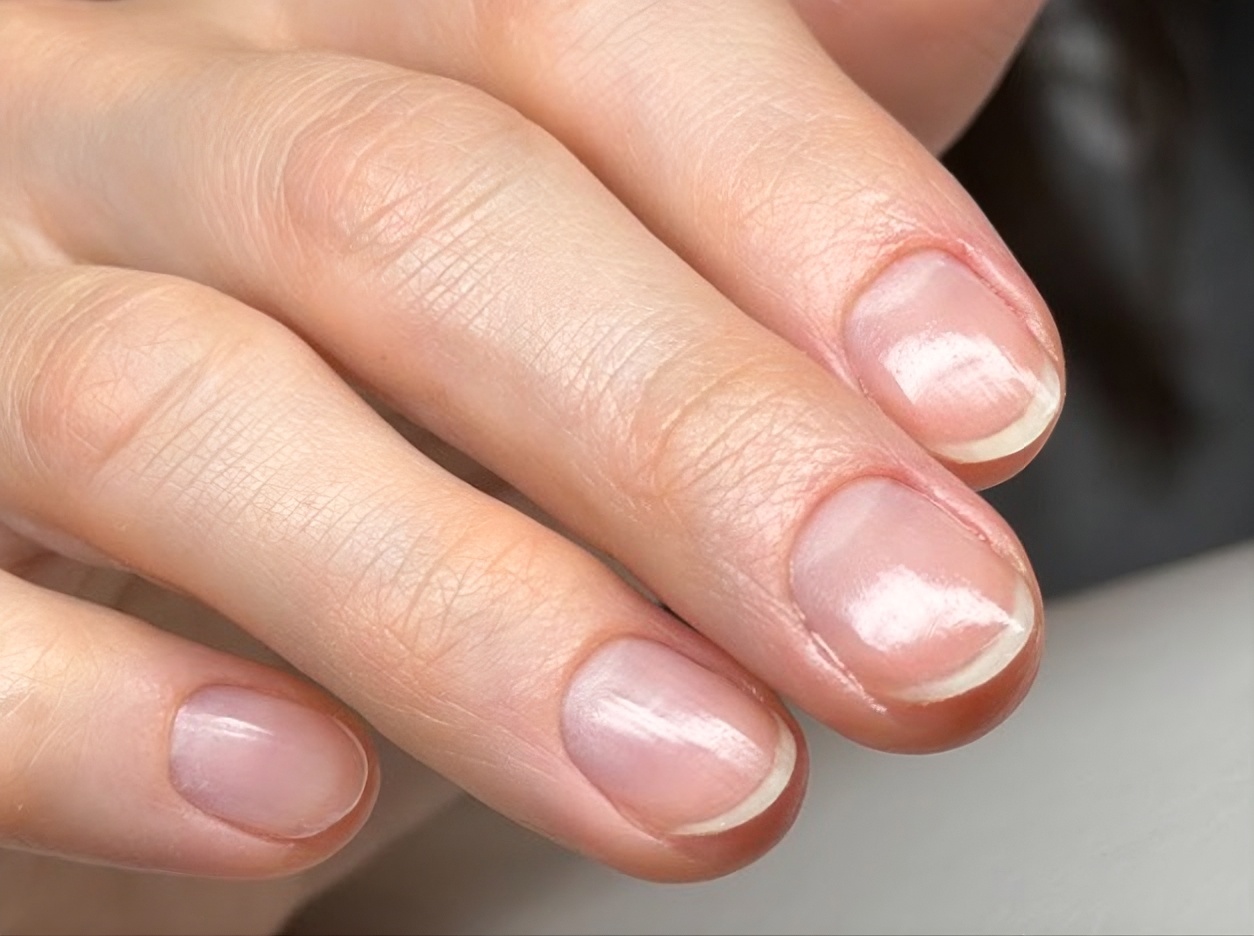

.png)





Acrylic nails have been around for decades, and for good reason – they're strong, endlessly customizable, and capable of holding dramatic length and sculpted shapes that other enhancements sometimes struggle to match. If you've ever admired a set of long, perfectly shaped nails and wondered how they held up so well, there's a decent chance you were looking at acrylics.
But if you're new to nail enhancements, or you've only ever heard the word thrown around without really knowing what's involved, it's worth understanding exactly what acrylic nails are, how they're applied, what the real tradeoffs are, and – just as importantly – whether they're actually the right fit for what you're looking for, versus some of the newer alternatives that have emerged since acrylic became the industry standard.
What Acrylic Nails Actually Are
Acrylic nails are created by combining a liquid monomer with a powdered polymer. When mixed, this combination goes through a chemical reaction that causes it to air-dry into a hard, durable layer – no UV or LED lamp required, which is one of the defining differences between acrylic and gel-based enhancements. Once applied over the natural nail (with or without a nail tip for added length), the mixture is shaped into a bead, sculpted into your desired length and shape, then filed, buffed, and finished with polish or a clear topcoat.
This air-dry chemistry is actually the reason acrylic has stayed popular for as long as it has. It doesn't rely on curing technology at all – it's a straightforward chemical hardening process that's been refined for decades, which is part of why acrylic remains such a reliable option for serious length and structural hold.
Why People Choose Acrylics
There are some genuine, well-earned reasons acrylic has stuck around as a go-to enhancement:
Real durability. Once properly cured, acrylic is genuinely hard and chip-resistant, which makes it a strong option for anyone whose natural nails are weak, thin, or prone to breaking.
Total shape customization. Because it's hand-sculpted, acrylic can be built into virtually any length or shape – square, coffin, stiletto, almond – with a level of dramatic sculpting that's hard to match with lighter enhancement types.
A track record. Acrylic has been refined and used professionally for so long that the techniques, tools, and troubleshooting around it are extremely well established. It's not a trendy new product – it's a known quantity.
What Actually Happens During an Acrylic Appointment
Understanding the process helps you know what to expect, and what a rushed job looks like versus a properly done one.
The appointment starts with prep – cleaning, buffing, and shaping the natural nail so the product has something to properly bond to. If you're adding length, a nail tip is glued on first to establish the extension. From there, the technician dips a brush into liquid monomer, picks up powder polymer, and works the resulting bead onto the nail, sculpting it into shape before it fully hardens – this requires real skill and timing, since the product only stays workable for a short window before it sets. Once shaped, the nail air-dries, gets filed and buffed into its final form, and finished with polish or a topcoat.
A full set typically takes somewhere around an hour and a half to two hours for a first appointment – noticeably longer than a standard polish change, which makes sense given how much hands-on sculpting is involved.
The Honest Tradeoffs Worth Knowing
This is the part that often gets glossed over in acrylic guides, so let's be direct about it.
The smell. Liquid monomer has a distinct, strong chemical odor during application that some people find genuinely unpleasant, and proper ventilation in the salon matters a lot here – both for comfort and for safety.
Weight and rigidity. Acrylic tends to feel heavier and more rigid on the nail compared to gel-based alternatives. That rigidity is part of what gives it strength, but it also means it's less forgiving under impact – rather than flexing, it's more prone to cracking if it takes a hard enough hit.
MMA risk with lower-quality products. Older-generation acrylic sometimes used a monomer called MMA (methyl methacrylate), which is linked to nail damage, allergic reactions, and poor adhesion. It's genuinely important to know that MMA-based products are banned outright in Illinois – any licensed salon here should be using EMA (ethyl methacrylate) instead, which is the safer, professional-standard monomer. If a salon's acrylic service smells unusually harsh or the price feels suspiciously low, it's worth directly asking what monomer they use.
Removal matters – a lot. Acrylic has to be properly soaked and gently filed off by a professional. Picking or forcing it off – something people are tempted to do when a nail snags or lifts – takes layers of the natural nail plate with it and is one of the most common causes of long-term nail thinning associated with acrylic wear.
Is It Safe?
When applied by a properly trained, licensed technician using EMA-based product in a well-ventilated space with correct sanitation practices, acrylic is a well-established, generally safe enhancement – this isn't a fringe or risky category, it's one of the most tested product types in the industry. The real risk factors are the same ones that apply to nearly any nail enhancement: an inexperienced technician, lower-quality or banned product, poor ventilation, or improper removal.
Home acrylic kits are worth a specific word of caution. Sculpting acrylic requires real hands-on skill and precise timing, and getting it wrong at home – over-filing, improper monomer ratios, or forcing off a lifted edge – is a much easier way to damage your natural nails than a professionally applied set ever would be.
Where Hard Gel Fits Into This Conversation
Here's something worth knowing if you're weighing your options rather than set on acrylic specifically: a lot of what people love about acrylic – real strength, dramatic length, sculpted custom shapes – is also exactly what Hard Gel is built to deliver, using a different underlying chemistry that a lot of clients end up preferring once they've tried both.
Hard gel cures under a UV or LED lamp rather than air-drying, which means no strong monomer odor during application. It tends to feel lighter and slightly more flexible than acrylic while still offering serious structural strength, which is part of why it's become such a popular modern alternative for people who want the durability of acrylic without the weight or smell. Like acrylic, it can be sculpted into essentially any length or shape you want, using top or bottom forms tailored to your nail bed and current nail condition.
This is exactly why Hard Gel is our specialty at Flamant Nail Boutique, rather than traditional acrylic. We pair it with precise Russian dry manicure prep – thorough, e-file-based cuticle work before any product goes on – because we believe that foundation matters just as much as the enhancement product itself. Removal, when it's time for a refill or a change, is always done carefully by a trained technician, protecting your natural nail rather than rushing the process.
If you've had acrylic before and want to compare, or you're deciding between the two for your very first set of enhancements, we'd genuinely encourage having that conversation with your technician rather than defaulting to whichever one you've heard of first. Both are legitimate, well-established options – the right one depends on your priorities around weight, smell, flexibility, and the specific look you're going for.
A Few Honest Questions to Ask Before Booking Any Enhancement
Whether you end up going with acrylic, hard gel, or something else entirely, these are worth asking upfront:
- What monomer or product line do you use, and can you confirm it's EMA-based rather than MMA?
- How long does a typical appointment take, and how do you handle removal?
- How often will I need to come back for fills, and what does that involve?
- Is your space well-ventilated for chemical-heavy services?
A confident, specific answer to all four is a good sign you're in capable hands, regardless of which enhancement you choose.
The Bottom Line
Acrylic nails have earned their long-standing popularity honestly – they're durable, highly customizable, and a reliable choice for anyone chasing serious length and strength. Just go in with realistic expectations about the smell, the weight, and the importance of proper removal, and make sure whoever's doing your nails is using safe, EMA-based product in a well-ventilated space.
If you're curious whether Hard Gel might actually be a better fit for what you're after – similar strength and customization, with a lighter feel and no chemical odor – we'd love to talk it through with you. Book your appointment at our Lincoln Park or Wilmette studio, and let's find the enhancement that's genuinely right for your nails and your lifestyle.
Recommended
Articles
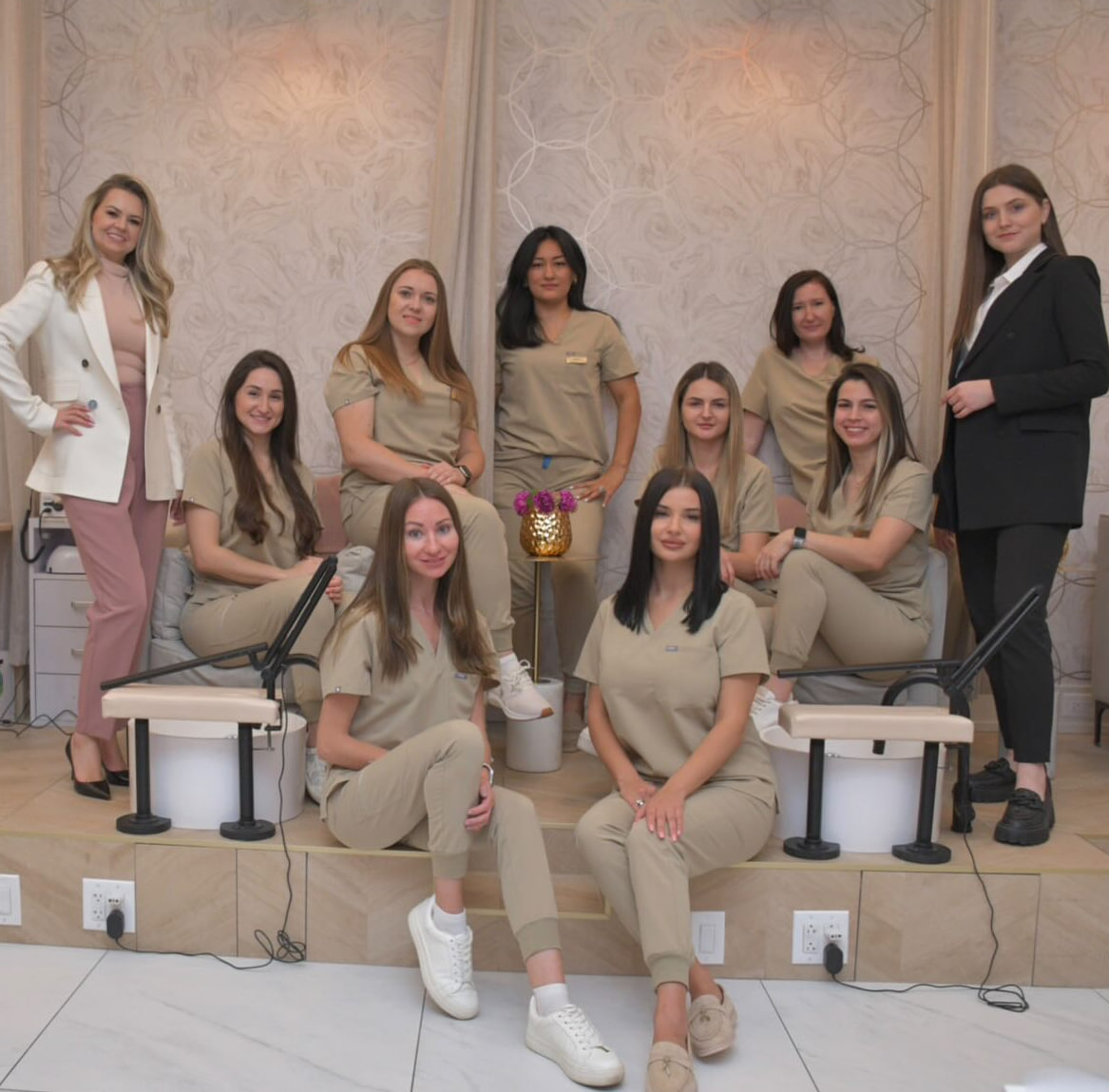
Meet the Flamant Nail Boutique Team: The Nail Technicians Behind the Salon

Nail Salon Gift Cards in Chicago: The Self-Care Gift That Always Fits