
.png)





If you've spent any time in nail culture over the past few years, you've heard the term "Russian manicure" thrown around constantly – usually alongside words like "flawless," "editorial," or "the manicure that changed everything." It's one of those trends that's genuinely earned the hype, but also one that's frequently misunderstood, oversimplified, or confused with things it isn't.
So let's actually dig into what a Russian manicure is, where it came from, why it produces such a noticeably different result than a traditional manicure, and – just as importantly – what separates a Russian manicure done well from one done carelessly, because that distinction matters a lot more here than with almost any other nail service.
Where This Technique Actually Comes From
The Russian manicure technique traces back to nail studios in Eastern Europe, where extremely precise, detail-oriented nail work has long been treated as a genuine craft rather than a quick beauty service. Appointments there were never rushed – the entire culture around the service was built on the idea that cuticle work deserved the same level of care and attention as the polish color itself, if not more.
As the technique made its way West over the past decade, it picked up a few different names along the way – you'll see it called a "combi manicure," a "dry manicure," or simply "e-file manicure" depending on where you are. The naming varies, but the core idea stays the same: this is a technique built entirely around precision cuticle work, using an electric file rather than the more familiar soak-and-push approach.
What Actually Makes It Different From a Regular Manicure
The biggest, most obvious difference is right at the start: there's no soaking. A traditional manicure typically begins with your hands sitting in warm water to soften the cuticle before it's manually pushed back and trimmed. A Russian manicure skips that step entirely and goes dry from the first minute, using a professional e-file with specialized bits to carefully and gradually remove excess cuticle and dead skin directly from the nail plate.
That difference sounds small, but it changes the outcome significantly. Soaking softens skin, yes – but it also temporarily swells and softens the nail plate itself, which is part of why cuticle work done immediately after a soak can be less precise than it looks in the moment. Working dry, with a controlled e-file, allows a trained technician to see exactly what they're removing in real time, rather than working on skin that's been artificially softened and slightly obscured.
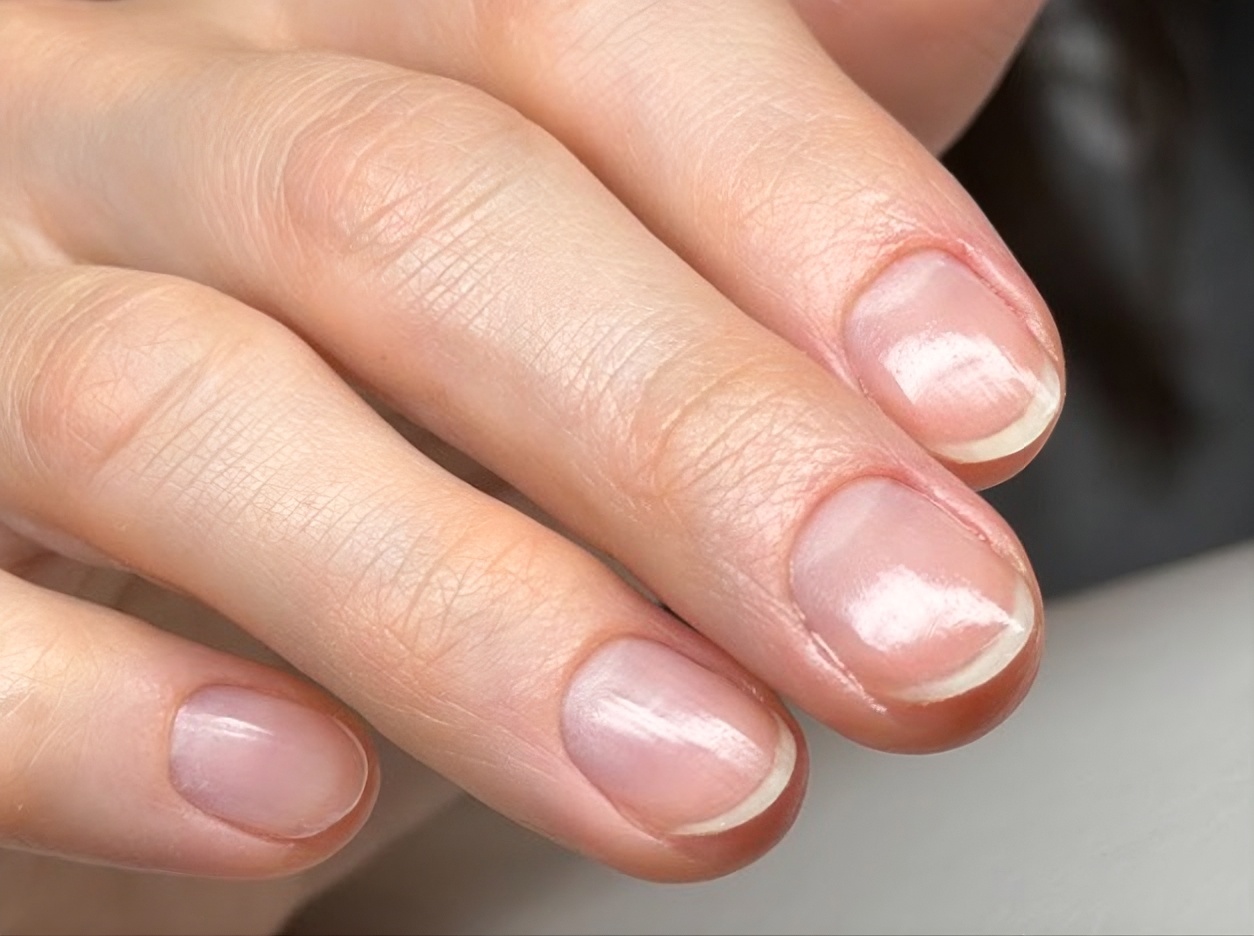
The result is a nail bed that's cleaner and more defined than what a manual push-and-trim typically achieves – polish or gel can sit right up against the cuticle line without touching skin, which is the real secret behind why Russian manicures are known for such crisp, "editorial" looking results.
Why It Tends to Last Noticeably Longer
This is usually the detail that convinces people to actually try it. A standard manicure with regular polish might hold up for roughly a week before it starts looking tired at the edges. A Russian manicure paired with gel polish or hard gel routinely holds a clean look for three weeks or more, with far less visible regrowth along the cuticle line in the meantime.
The reason comes down to adhesion and precision. Because the cuticle has been so thoroughly and precisely cleared, there's no dead skin or excess cuticle tissue for polish or gel to catch or lift on – which is one of the most common causes of early lifting in the first place. And because the product can be applied so close to the actual cuticle line without overlapping onto skin, the visible gap between your gel color and your regrowth simply takes longer to become noticeable.
The Part Nobody Should Skip: Understanding the Risk
Here's where it's worth being genuinely honest instead of just selling the upside. A Russian manicure is a precision service performed with a spinning electric tool close to skin and living tissue – and that means the margin for error is real. In inexperienced or careless hands, an e-file can over-file the nail plate (thinning it out over repeated appointments), cause friction burns, or nick and irritate the cuticle in a way that a slower manual technique typically wouldn't.
This isn't a reason to avoid Russian manicures. It's a reason to be genuinely selective about who's doing yours. The technique itself isn't the risk – inexperience is. A well-trained technician using the correct bit for each area, at the correct speed, with the correct amount of pressure, can work with a level of control and precision that a manual pusher and nipper simply can't match. The entire value of this service depends on that skill being present in the room with you.
A few things worth specifically looking for before you book: a technician with dedicated, documented training in e-file and Russian manicure technique specifically (not just general nail school licensing), tools that are visibly sterilized between clients, and a salon willing to actually answer questions about their process rather than brushing past them.
What Actually Happens During the Appointment
It helps to know roughly what's happening step by step, mostly so you can recognize when a technician is taking the appropriate care versus rushing through it.
The appointment starts with thorough tool sterilization – this should be visible and non-negotiable. From there, any old polish or gel is removed carefully, without picking or peeling. The cuticle area is then worked on gradually with a fine e-file bit, moving along the cuticle line in careful, controlled passes rather than one aggressive sweep – good technicians will often use different bit shapes for different areas of the nail, adjusting for your specific cuticle condition and nail shape rather than using one setting for everyone. The nail itself is then shaped, the surface lightly buffed to prep it for product, and finally, base coat, color, and top coat are applied and cured, whether that's a classic gel polish finish or a Hard Gel structural layer for added strength.
A well-done Russian manicure is unhurried. If an appointment marketed as a Russian manicure takes the same amount of time as a basic polish change, that's usually a sign steps are being skipped rather than a sign of impressive efficiency.
Is This Something You Should Try at Home?
Short answer: no, and this is one of the more important warnings in this whole conversation. Russian manicure technique requires real, hands-on training to understand nail anatomy, bit selection, appropriate speed settings, and how much pressure is safe to apply in different areas of the cuticle. A consumer-grade e-file and a YouTube tutorial is genuinely not enough training to avoid the real risks involved – thinning the nail plate or burning the skin isn't a dramatic worst-case scenario, it's a realistic outcome of an untrained attempt.
This is a service worth leaving to someone trained specifically in it, the same way you wouldn't attempt your own dermaplaning or professional-grade chemical peel at home just because the tools are technically purchasable online.
Why This Technique Is at the Center of Everything We Do at Flamant
At Flamant, Russian manicure isn't an add-on service – it's the foundation underneath nearly everything we offer. Every service we provide, whether it's a classic No Chip manicure, Hard Gel reinforcement, or full Hard Gel extensions, starts with the same precise, dry, e-file-based cuticle prep. We built our approach around this technique specifically because we believe the prep work underneath a manicure matters more than almost anything applied on top of it – it's the difference between a set that still looks sharp three weeks later and one that starts looking rough within days.
Our technicians train continuously and specifically in e-file and Russian manicure technique, not just general licensing requirements, because we take seriously exactly the risk described above – this only stays a genuinely elevated, safe service when it's done by someone with real, specific skill in it. Every tool is properly sterilized between clients, and we use quality products, including La Sultane de Saba, to make sure the final result holds up to real daily life, not just the walk out of the salon.
If you'd like a quieter, more personal setting for your appointment, our private rooms at the Wilmette location offer exactly that – space to relax, ask questions, and watch the process at a pace that isn't rushed.
Should You Try It?
If you're after a genuinely clean, precise, long-lasting finish – one that holds its shape and shine for weeks rather than days, with minimal visible regrowth along the way – a Russian manicure is very much worth trying. Just be intentional about where you get it done. This is a technique where the skill of the hands performing it matters enormously, and the results (both good and bad) reflect that directly.
Curious to experience it for yourself? Book your appointment at our Lincoln Park or Wilmette studio, and let our technicians show you what a properly done, precision Russian manicure actually feels like – unhurried, careful, and built to last.
Recommended
Articles
Meet the Flamant Nail Boutique Team: The Nail Technicians Behind the Salon

Nail Salon Gift Cards in Chicago: The Self-Care Gift That Always Fits