
.png)



Russian Manicure in Chicago: What to Expect at Your First Visit
There are certain beauty treatments that sound more mysterious than they really are. "Microneedling." "Keratin infusion." "Hydrafacial." Add "Russian manicure" to that list. For someone hearing the term for the first time, it can sound almost intimidating. Is it a special polish? A certain shape? Something imported? Some people even assume it's about nail art.
Not exactly.
In reality, the Russian manicure isn't defined by color, length, or design at all. It's defined by precision. That's the word professionals use most often. Precision. Tiny movements. Specialized tools. Careful preparation. A level of attention to detail that can completely change how your manicure looks — and how long it lasts.
It's one of those services that people often discover almost by accident. Maybe a friend mentions it over coffee. Maybe an Instagram video appears showing impossibly neat cuticles. Maybe you search "Russian manicure Chicago" online after noticing that someone's nails somehow still look freshly done three weeks later.
Whatever brings you here, the same questions usually follow. What is Russian manicure? Is it safe? Does it hurt? Why do people seem so devoted to it? And perhaps the biggest question of all: Is it really worth it?
For many clients, yes. Not because it's trendy. Trends come and go faster than Chicago weather changes in April. Russian manicures have remained popular because they're built around meticulous technique rather than temporary fashion.
Let's start with the basics.
What Is a Russian Manicure?
Despite the name, a Russian manicure isn't about a particular nail polish brand or decorative style. It's a highly detailed manicure technique that focuses on creating an exceptionally clean nail plate and cuticle area using professional electric file bits instead of soaking the hands in water.
That's why it's also commonly called an e-file manicure Chicago clients increasingly request. The manicure is performed on dry nails. No soaking bowl. No softened cuticles floating in warm water. That surprises first-time clients.
For decades, many of us have associated manicures with soaking our fingertips while flipping through polish samples. Russian manicure changes that routine entirely. And for good reason.
Why Skip the Water?
At first glance, soaking seems helpful. Water softens skin. Makes cuticles easier to push back. Feels relaxing. So why remove it?
Because water temporarily changes the nail itself. Natural nails absorb moisture. They expand ever so slightly. Then, after drying, they shrink back to normal. It's subtle, almost impossible to notice with the naked eye.
Yet when gel products are applied over a nail that's temporarily swollen from water, the fit isn't always as precise once everything dries. Working on dry nails allows the technician to prepare the nail in its natural state. That precision contributes to better adhesion and better adhesion often leads to longer-lasting manicures.
Sometimes the smallest adjustments produce the biggest improvements.
The Focus Is the Cuticle
If you've ever admired a manicure where the polish seems to start impossibly close to the skin, you've probably seen Russian manicure technique in action.
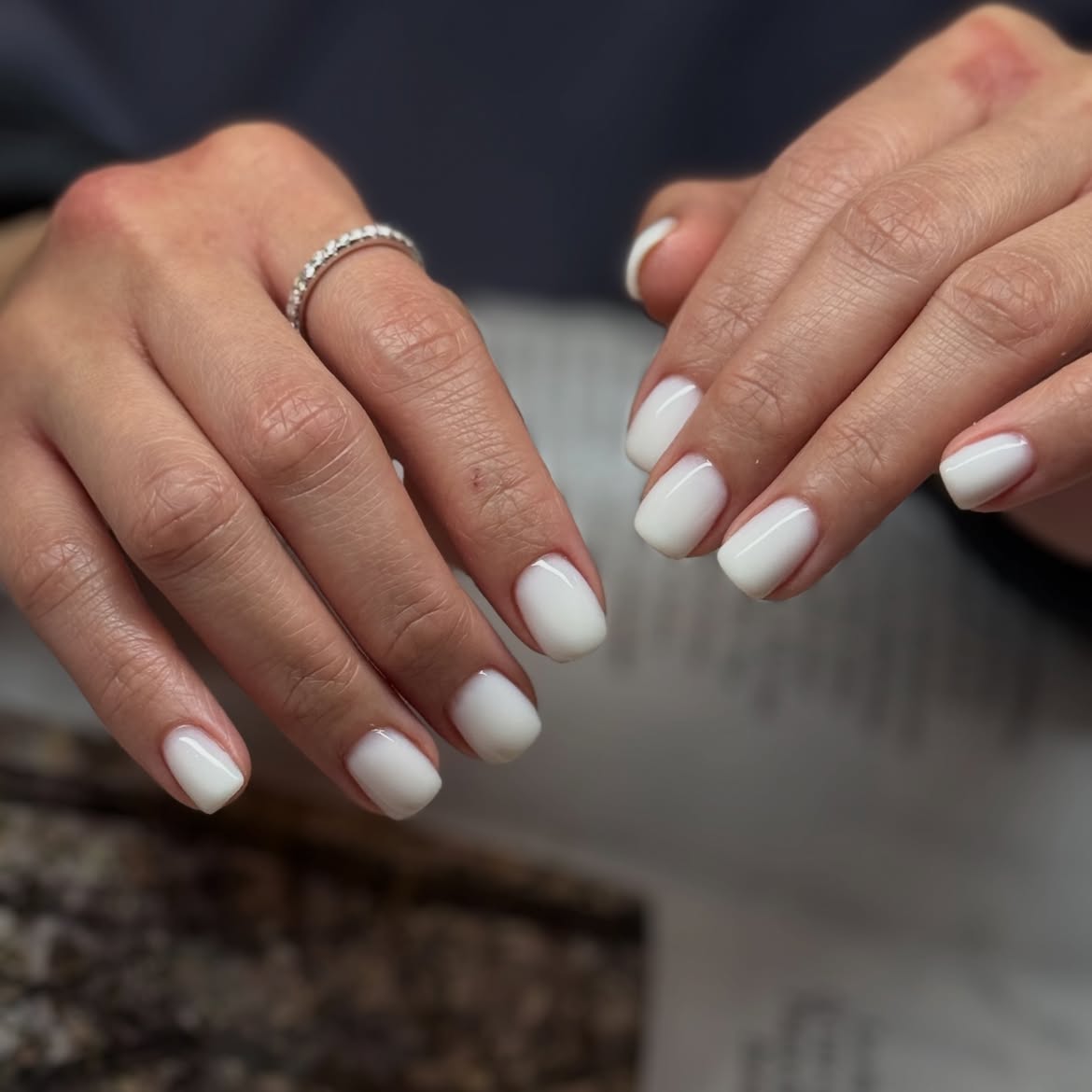
The secret isn't magical polish. It's preparation. The cuticle area receives incredibly detailed attention using specialized e-file bits designed for professional manicure work. Loose skin, dead tissue, tiny fragments around the nail fold — everything is carefully removed. The result creates an exceptionally clean canvas. Color can then be applied closer to the cuticle without flooding the surrounding skin.
Visually, the manicure looks neater. It also appears to grow out more gracefully. That's one reason clients searching "Russian manicure near me Chicago" online often become repeat visitors after trying it once.
The difference is subtle. Until you compare it side by side. Then it suddenly isn't subtle at all.
It's About Technique, Not Nationality
Here's a common misconception. Some people assume the service requires products imported from Russia. Or that only Russian technicians can perform it. Neither is true.
The name refers primarily to the manicure technique itself, which became widely known through Eastern European nail education and advanced e-file training. Today, highly trained nail professionals around the world perform Russian manicures using internationally recognized techniques and professional-grade equipment.
What matters isn't where someone was born. It's how well they've mastered the method. Experience always shows eventually. Usually much sooner than that.
Why Precision Matters So Much
Imagine painting a room. If you spend extra time preparing the walls, taping the edges, filling imperfections, and smoothing rough spots the paint almost seems to apply itself.
Skip preparation? Everything afterward becomes harder.
Manicures work surprisingly similarly. Preparation determines much of the final result. Not flashy, just incredibly important.
Russian Manicure vs Regular Manicure: The Main Differences
From across the room, two finished manicures may look almost identical. Glossy polish, beautiful shape, healthy shine.
Move a little closer and the differences begin revealing themselves.
Water vs Dry Preparation
Traditional manicures usually begin with soaking. Russian manicures don't. That single change influences almost every step afterward.
Dry preparation allows greater visibility throughout the service. Nothing is hidden beneath softened skin. The technician works with remarkable accuracy. It's less about speed — much more about control.
Cuticle Work
Traditional manicures often trim only the most visible excess cuticle. Russian manicure takes considerably more time refining the entire surrounding area. Not aggressively — carefully.
Every tiny section receives attention. The objective isn't removing more skin. It's removing only what no longer belongs there. Healthy living tissue stays exactly where it should. That distinction matters enormously.
Specialized Equipment
Another defining feature is the electric file. Or e-file. Professional-grade equipment uses interchangeable bits specifically designed for different stages of manicure preparation.
Tiny flame bits, diamond bits, polishing bits, cleaning bits — each serves a different purpose. It's a little like dentistry. No dentist uses one instrument for everything. Nail professionals don't either. At least not experienced ones.
Longer-Lasting Appearance
Because polish can be applied extremely close to the cuticle, grow-out often appears less noticeable. The manicure stays looking fresh longer. Not because nails stop growing — simply because the visible transition develops more gradually.
Many clients schedule appointments every three to four weeks instead of feeling ready after only two. Life gets busy. A manicure that ages gracefully becomes surprisingly valuable.
Cleaner Overall Finish
This might be the easiest difference to notice. Russian manicures often have an almost edited appearance.
Everything feels crisp. Intentional. Balanced. No polish touching surrounding skin. No uneven edges. No rough cuticle line. It doesn't scream for attention — it quietly earns it.
Is One Better Than the Other?
Not necessarily. Different techniques suit different people. Traditional manicures remain wonderful for many clients. Russian manicure simply offers another level of precision.
It's a bit like comparing a quality haircut with one that has been painstakingly tailored strand by strand. Both can look wonderful. One simply involves more detailed craftsmanship.
What Actually Happens During a Russian Manicure
This is usually where first-time clients become curious. Because despite the name the appointment doesn't feel particularly unusual.
It simply feels more detailed.
Consultation
Every great manicure starts with conversation. Your nail technician looks at your natural nails. Current condition, previous products, lifestyle, any lifting from past manicures, your preferred length, shape, daily habits — everything.
Do you type constantly? Play piano? Work in healthcare? Lift weights? All of those details matter. Nails live the same life you do.
Existing Product Removal
If you're arriving with previous gel polish or builder gel, the technician carefully removes the old product. Not hurriedly. Not aggressively. The goal is preserving the natural nail beneath.
Healthy nails create better long-term results. Quick removal rarely does.
Nail Shaping
Length comes first. Then shape. Square, soft square, oval, almond. Short practical nails. Elegant medium length. Everyone has preferences. Sometimes the hands decide.
Long fingers carry certain shapes beautifully. Shorter nail beds often benefit from others. Experienced technicians quietly notice these things. Clients usually notice only that everything somehow looks balanced afterward.
The Detailed Cuticle Preparation Begins
Now comes the stage that makes Russian manicures famous. Using carefully selected professional e-file bits, the technician begins cleaning the cuticle area. Slowly. Methodically.
Loose skin is lifted. Dead tissue is removed. Tiny edges are refined. The surrounding nail folds receive attention from several angles.
The e-file produces a gentle vibration rather than painful pressure. Many first-time clients are surprised by how comfortable it feels. They expected something much more intimidating. Instead, the appointment becomes oddly relaxing.
Watching someone work with that level of precision has a calming quality to it. Almost hypnotic.
Fine Refinement
Once the main preparation is complete, the technician carefully checks every nail again. Tiny adjustments. One small area near the sidewall. Another near the cuticle. A little refining here. A quick polish there.
The difference between good and exceptional manicures often lives inside these final little corrections. They're easy to overlook and impossible to replace later.
Preparing the Nail Plate
After the cuticle area has been meticulously refined, the natural nail is gently prepared for product application. This stage isn't about making the nail rough. That's a common misunderstanding. The goal is creating the ideal surface for adhesion while preserving the integrity of the natural nail.
Professional nail artists remove only what needs to be removed. Nothing more. Dust is carefully brushed away. The nail is cleansed. A dehydrator and bonding products are applied where appropriate. Everything is intentional.
Skipping preparation might save five minutes. It can easily cost three weeks of wear.
Base, Color, or Builder Gel
At this point, the manicure starts looking familiar again. Base products are applied. Then comes the client's chosen service.
Some clients choose classic gel polish. Others request a strengthening base. Many combine the Russian manicure technique with hard gel or builder gel for extra durability. The beautifully prepared cuticle area allows the technician to apply product incredibly close to the skin without flooding it.
That detail matters. A lot. The polish appears almost as though it's growing directly from beneath the cuticle. Of course it isn't — it simply creates that illusion.
Perfecting Every Detail
Once the color has cured, the technician examines every nail again. Symmetry, reflection, side profile, free edge. Sometimes one nail receives another thirty seconds of attention while the others wait patiently.
That patience is one reason people searching for a Russian manicure Chicago appointment often notice the difference immediately after their first visit. It's rarely one huge improvement — more like fifty tiny improvements working together.
Finishing Touches
A glossy top coat seals everything in. Or matte, if that's your preference. Cuticle oil follows. Then moisturizer. And finally you hold your hands out under the light, turn them slightly, look again. Most first-time clients smile. Not because the nails are flashy — because they look incredibly clean.
Elegant. Balanced. Almost impossibly precise.
Does It Hurt? Honest Answers to Common Concerns
Let's answer the question nearly everyone thinks before booking their first appointment.
"Does a Russian manicure hurt?" It doesn't when performed correctly by a trained professional. You shouldn't expect pain.
Videos online can sometimes make the technique appear aggressive because the camera zooms in so closely. Reality feels much different. Professional e-files don't dig into living skin. They're used to remove dead tissue around the nail with carefully selected bits and controlled movements.
Think of it like visiting a skilled barber. Watching someone shave with a straight razor looks terrifying. Experiencing it properly? A completely different thing.
Why Some People Feel Nervous
Mostly because the tool is unfamiliar. Many of us grew up with traditional nippers and cuticle pushers. An electric file seems louder. More technical. Perhaps even a little intimidating.
Then the appointment begins. Within minutes, most clients realize the sensation is more vibration than pressure. Gentle, controlled, predictable. Often surprisingly relaxing.
Is It Safe?
Yes — when performed by properly trained professionals using sterilized instruments and high-quality equipment.
Technique matters. Education matters. Sanitation matters. A Russian manicure isn't simply about owning an e-file — it's about knowing exactly how to use it. That's a much bigger difference than people sometimes realize.
How Long Does a Russian Manicure Last?
The Russian manicure technique creates exceptionally clean preparation that helps products adhere more effectively and grow out beautifully. Combined with quality gel polish, builder gel, or hard gel, many clients enjoy beautiful results for three to four weeks. Some even longer.
Natural nail growth ultimately determines when it's time to return. Not necessarily chips. That's one of the biggest differences clients notice. Instead of booking because something failed they're booking because their nails simply grew. There's something satisfying about that.
Longevity Depends on Lifestyle
No manicure exists in a vacuum. If you spend eight hours a day typing, garden every weekend, clean without gloves, rock climb on Tuesdays, and assemble flat-pack furniture for fun, your nails live an adventurous life. Others spend most of the day in an office. Different lifestyles create different wear patterns.
Professional application provides the foundation. Daily habits influence how long everything stays looking fresh.
Why Maintenance Appointments Matter
Russian manicures aren't designed to be removed and forgotten. They're part of an ongoing routine.
Regular appointments keep the cuticle area healthy. Maintain beautiful shape. Prevent lifting. Allow small adjustments before larger problems develop. Think of it less like repairing something — more like maintaining something already working exceptionally well.
Russian Manicure at Flamant — Chicago and Wilmette
One thing becomes clear after visiting enough nail salons. Technique can be taught. Attention to detail is harder. At Flamant, every Russian manicure is approached with the understanding that clients aren't simply booking polished nails — they're trusting someone with their hands.
Hands appear in business meetings, wedding photographs, coffee dates, holiday dinners. Daily life. That responsibility deserves patience, not shortcuts.
Lana's Eye for Precision
Ask regular clients about Lana and one description appears again and again. Thorough.
She's known for taking her time around the cuticle area, making tiny refinements that many people wouldn't consciously notice — but somehow always appreciate afterward. Her manicures feel incredibly balanced.
Nothing excessive. Nothing rushed. Just professionally executed.
Irina's Focus on Nail Health
Irina believes beautiful nails begin long before color is applied. Clients who are growing natural nails, recovering from damage, or transitioning away from acrylics often appreciate her thoughtful approach.
Rather than chasing immediate dramatic results, she focuses on creating manicures that continue looking — and feeling — better appointment after appointment.
It's a quieter philosophy. One that pays off over time.
Marina's Attention to Detail
Some technicians naturally notice symmetry. Marina is one of them. The angle of the apex. The side profile. Matching every nail. Tiny adjustments that make both hands feel harmonious rather than merely polished.
It's almost architectural. And perhaps that's appropriate. Beautiful nails rely on structure just as much as appearance.
Chicago and Wilmette Clients Come for More Than Beautiful Nails
People searching "Russian manicure near me Chicago" online often arrive expecting one appointment. Many become long-term clients because of the consistency. The atmosphere matters too. Appointments don't feel hurried. Questions are welcomed.
First-time visitors aren't expected to know every product or technique — that's the technician's job. Yours is simply to relax. And perhaps decide between nude pink and soft beige. A surprisingly difficult decision, as it turns out.
Frequently Asked Questions
What is a Russian manicure?
It's a highly detailed dry manicure technique that uses professional e-file tools to carefully clean and refine the cuticle area before gel or other nail products are applied. The result is an exceptionally clean finish and longer-lasting appearance.
Is a Russian manicure the same as an e-file manicure?
They're closely related.
A typical e-file manicure Chicago experts usually perform uses an electric file during preparation, and Russian manicure is one of the most advanced applications of that technique.
Why is it called a dry manicure?
A dry manicure Chicago service skips the traditional soaking bowl. Instead of softening the cuticles with water, technicians prepare the nails dry, allowing greater precision and helping improve product adhesion.
How long does the appointment take?
For first-time clients, appointments generally take longer than a traditional manicure because of the detailed preparation involved. Depending on nail condition and the chosen service, expect approximately 90 minutes to two hours.
Good craftsmanship rarely enjoys being rushed.
Can I get nail art with a Russian manicure?
Sure. Russian manicure refers to the preparation technique — not the final design. Minimalist nudes. Classic French. Chrome finishes. Seasonal nail art. Everything begins with the same beautifully prepared foundation.
Is Russian manicure suitable for everyone?
Most healthy nails are excellent candidates. If you have an active infection, significant injury, or certain nail conditions, your technician may recommend postponing the service or consulting a medical professional first.
Safety always comes before aesthetics.
How often should I book?
Most clients return every three to four weeks depending on nail growth and the products being worn. Your technician can recommend a schedule tailored to your nails and lifestyle.
No calendar works perfectly for everyone.