
.png)





Walk into any nail salon and ask for "a manicure," and you'll probably get a follow-up question back: gel or regular? Extensions or natural nail? Dip or polish? What used to be a pretty simple request now comes with a small menu of decisions, and if you're not deep into nail culture, it can feel like everyone around you is speaking a language you missed the class for.
That's honestly fair. The manicure world has changed a lot over the last several years. New techniques, new products, new tools – all promising longer wear, stronger nails, or a cleaner finish. Some of that is genuine innovation. Some of it is just marketing dressed up as innovation. The tricky part is telling the difference when you're sitting in the chair being asked to choose.
So let's actually break this down – what each type of manicure really is, what it's good for, where it falls short, and how to figure out which one fits your nails, your lifestyle, and what you're actually trying to get out of your next appointment.
It Starts With Two Separate Questions
Before getting into specific techniques, it helps to realize that "type of manicure" is actually answering two different questions at once, and people often mix them up.
The first question is: how is the nail prepped? This is about the cuticle work, the shaping, the technique used to get the nail ready before anything is applied.
The second question is: what's applied on top? Regular polish, gel polish, hard gel, dip powder, acrylic – this is the actual product layer that determines durability, look, and removal process.
A lot of the confusion around "types of manicure" comes from lumping these two things together. A Russian manicure, for example, is really answering the first question – it's a prep technique, not a top coat. You can pair Russian prep with regular polish, gel polish, or hard gel extensions. Keeping this distinction in mind makes the rest of this a lot easier to follow.
Russian Manicure: The Prep Technique Everyone's Talking About
Let's start here because it's the one most people have heard of but fewer actually understand.
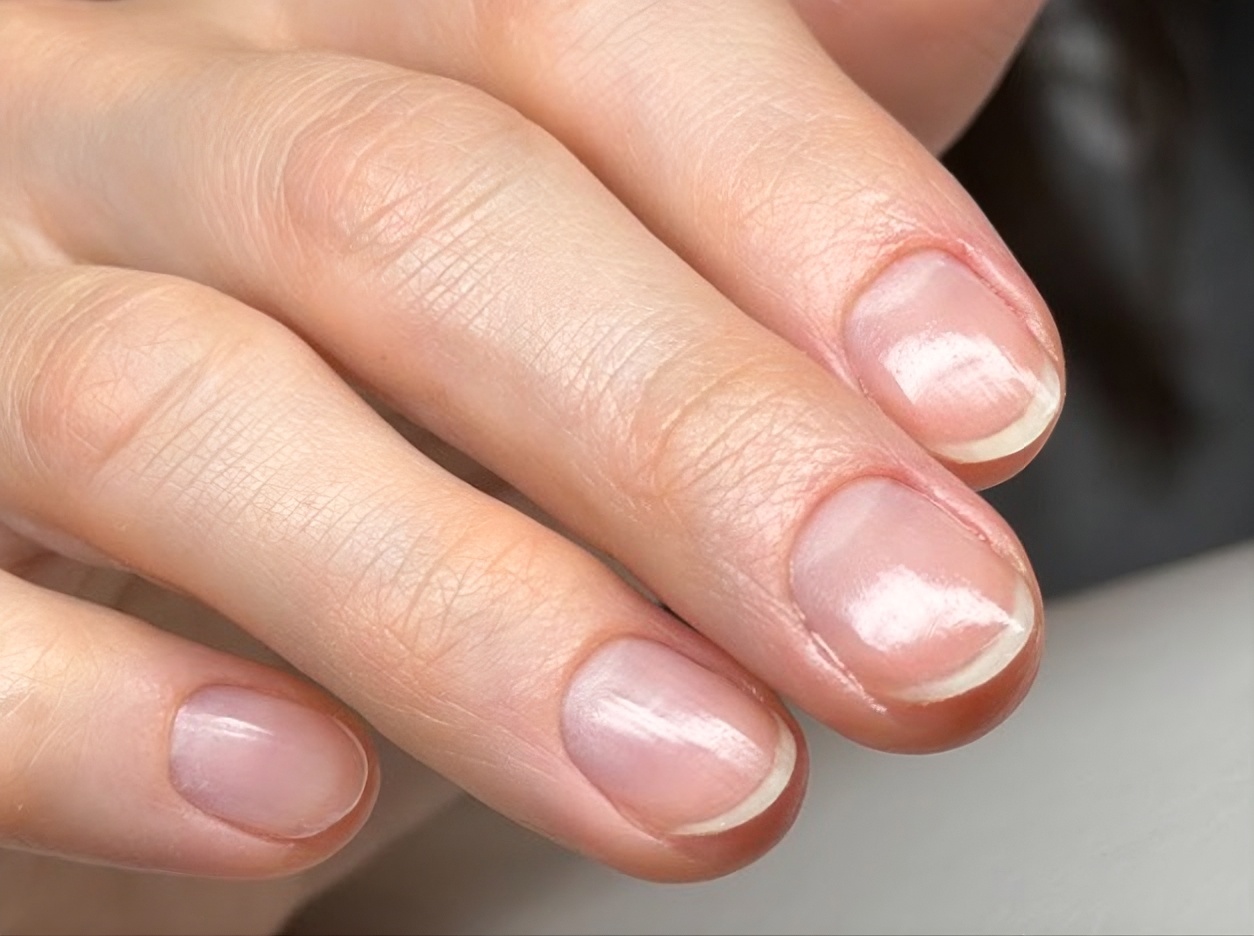
A Russian manicure is a dry, e-file based technique focused almost entirely on cuticle work and nail bed prep. Instead of soaking your hands in water and pushing back softened cuticles with a metal tool (the traditional approach), a technician uses a precision electric file to carefully and gently remove excess cuticle and dead skin directly from the nail plate.
Why does this matter so much? Because it produces a noticeably cleaner nail contour – polish or gel can be applied much closer to the cuticle line without touching skin, which means less visible regrowth, a crisper edge, and a manicure that still looks freshly done two, even three weeks later. It's also considerably gentler on the surrounding skin when done correctly, since there's no soaking to soften (and weaken) the skin barrier before cutting.
The catch is right there in that last sentence: when done correctly. This is a technique that takes real training to do safely. An e-file in inexperienced hands can over-file, irritate the skin, or create an uneven edge – which is actually worse than a traditional manicure done well. This is why the technician's skill matters so much more here than with almost any other nail service. It's not a product you're paying for, it's a hand.
Best for: anyone who wants that crisp, "just left the salon" look to last as long as possible, minimal visible regrowth, and a genuinely clean cuticle line – especially under gel or hard gel.
No Chip / Gel Polish Manicure: The Everyday Workhorse
This is probably what most people picture when they hear "gel manicure." A flexible gel-based polish is applied over the natural nail, then cured under a UV or LED lamp between coats. Unlike regular polish, which air-dries and can chip within a couple of days, gel polish cures into a durable, glossy, chip-resistant finish that typically holds up for two to three weeks.
The appeal here is pretty straightforward: color, shine, and durability, without adding any length or structure to the nail. It stays close to your natural nail shape and thickness, which makes it a great everyday option if you're not looking for extensions or added strength – just color that actually lasts.
Removal matters here too. A proper gel polish soak-off, done patiently with acetone and gentle technique, protects the natural nail underneath. Picking gel off (we've all been tempted) is genuinely one of the fastest ways to damage and thin out your natural nail plate, so this is one area where it's worth resisting the urge to DIY the removal at home.
Best for: natural nails that just need reliable color and shine without extra length or reinforcement – a low-commitment option that still holds up to daily life.
Hard Gel: When You Want Structure, Not Just Color
This is where things get more interesting from a durability standpoint. Hard gel is a thicker, more rigid gel product that can be applied directly over the natural nail for extra strength, or sculpted into full extensions to add length and shape.
The difference between hard gel and gel polish comes down to what each product is actually built to do. Gel polish is a color layer – it's thin and flexible by design. Hard gel is structural – it's thicker, and once cured, it creates a rigid, protective shell that reinforces the natural nail against everyday bumps, typing, opening things, all the small impacts your hands take without you noticing.
Because it's a structural product, hard gel extensions can be sculpted to create a natural-looking apex (the curve of the nail) and customized in length and shape – square, almond, coffin, whatever suits you – while still looking like a refined, natural nail rather than an obviously "fake" extension.
One important detail: hard gel doesn't soak off like gel polish or dip powder does. It has to be filed off by a technician. This isn't a downside exactly – it actually protects the natural nail underneath, since there's no prolonged acetone soaking involved – but it does mean removal should always be done at a salon by someone trained to do it without damaging the nail bed underneath.
Best for: anyone who wants real added strength and durability, whether that's reinforcing a natural nail that's prone to breaking, or building custom extensions that still look elegant and natural rather than dramatically artificial.
Soft Gel and Pre-Formed Extensions
There's also a lighter category of extensions worth knowing about – soft, flexible gel tips that are pre-shaped and adhered to the natural nail, then sealed with gel polish or a topcoat. These are faster to apply than sculpted hard gel and tend to feel lighter on the hand, which makes them a popular choice if you want length quickly without a long appointment.
The tradeoff is durability. Because the product is softer and more flexible by nature, this style typically doesn't hold up quite as long as sculpted hard gel extensions, and the pre-formed shape means less customization than a fully hand-sculpted set. It's a solid option for shorter-term wear – a trip, an event, a season – rather than a long-haul, refill-every-few-weeks kind of commitment.
Dip Powder and Acrylic: The Other End of the Spectrum
You'll also come across dip powder and traditional acrylic when you're researching manicure types, so it's worth knowing what they are, even outside of what's typically done at a boutique studio like ours.
Dip powder involves applying a bonding base, dipping the nail into colored powder, then sealing it with an activator – no UV lamp required. It's known for being strong and lightweight, and a lot of people like that it skips the UV exposure entirely. The downside is that proper removal requires soaking and can be more time-consuming, and repeated dipping into a shared powder container (at some salons) raises hygiene questions worth asking about upfront.
Acrylic extensions are created by mixing a liquid monomer with acrylic powder to form a hard protective layer over the natural nail. They're extremely durable and have long been the go-to for dramatic length and bold sculpted shapes. The tradeoff is that traditional acrylic tends to feel heavier and less flexible than hard gel, and the strong odor during application is a dealbreaker for some clients. Removal, done properly, requires soaking and filing by a professional – rushing it or trying to pop off acrylics at home is one of the most common ways people damage their natural nails.
Neither of these is "worse" than gel across the board – they're just different tools built for different priorities, and knowing the tradeoffs helps you ask better questions before you sit down in any chair, anywhere.
So How Do You Actually Choose?
Here's the honest answer: there's no single "best" manicure type. There's a best type for you, based on a few real questions worth asking yourself before your appointment.
How long do you want it to last? If you're after two to three weeks of solid wear without much thought, gel polish or hard gel are your friends. If you're fine with a shorter-term, lower-commitment look, soft gel extensions or regular polish might make more sense.
Are your natural nails strong or prone to breaking? If you're dealing with weak, thin, or brittle nails, hard gel applied over the natural nail (without extensions) can genuinely help reinforce and protect them while they grow out stronger.
Do you want length, or just color? This is the fork in the road between extensions (hard gel, soft gel tips, acrylic) and a natural-nail service (gel polish, Russian manicure, regular polish).
How much do you care about the cuticle finish? If a crisp, "barely-there regrowth" look matters to you – especially if you're someone who likes minimal or sheer color where every detail shows – Russian manicure prep is worth specifically asking for, regardless of what product goes on top.
What's your removal tolerance? Soak-off products (gel polish, dip, acrylic) are more forgiving if you switch styles often. Hard gel needs a professional file-off, which protects your natural nail but does mean planning your removal appointment rather than doing it yourself on a Sunday night.
Most people end up mixing and matching over time – Russian manicure prep with gel polish color for a while, then switching to hard gel extensions for a special season, then back to natural nails with regular strengthening treatments in between. That's completely normal. Your nails, your life, and your priorities change – your manicure routine can too.
The Part That Matters More Than the Label
Here's something worth sitting with: the name of the manicure you choose matters a lot less than most people think. The real difference between a manicure that looks incredible for three weeks and one that's already chipping or lifting within days almost never comes down to which product category you picked. It comes down to how well the nail was prepped before anything was applied, and how skilled the hands were that did it.
A rushed cuticle job under a beautiful hard gel color will still look messy within a week. A carefully prepped nail bed under simple gel polish will look clean and intentional for the full three weeks. The technique underneath is doing more work than the product on top, every single time.
That's really the whole philosophy behind how we do things at Flamant. Every service – whether it's a classic No Chip manicure, a Hard Gel set, or custom Hard Gel extensions – starts with the same foundation: precise Russian dry manicure technique using e-file tools for detailed, careful cuticle prep. It's the same starting point regardless of what you choose on top, because that starting point is what actually determines how your nails look and hold up over the following weeks, not just on day one.
Our team trains continuously in these techniques, and we use premium products like La Sultane de Saba to make sure the results hold up to real, everyday life – not just the walk from the salon to your car.
Come Find Your Fit
If you're still not sure which type of manicure makes sense for you, that's genuinely a normal place to be – and it's exactly the kind of conversation we're happy to have when you sit down. Whether you're leaning toward a clean Russian manicure with gel polish, want the added strength of Hard Gel, or you're curious about extensions for the first time, our technicians will walk you through what actually makes sense for your nails, not just what's trending this month.
Book your appointment at our Lincoln Park or Wilmette studio – including one of our private rooms in Wilmette if you'd like a quieter, more personal experience – and let's figure out the manicure that's genuinely right for you, not just the one with the trendiest name.
Recommended
Articles
Meet the Flamant Nail Boutique Team: The Nail Technicians Behind the Salon

Nail Salon Gift Cards in Chicago: The Self-Care Gift That Always Fits