
.png)



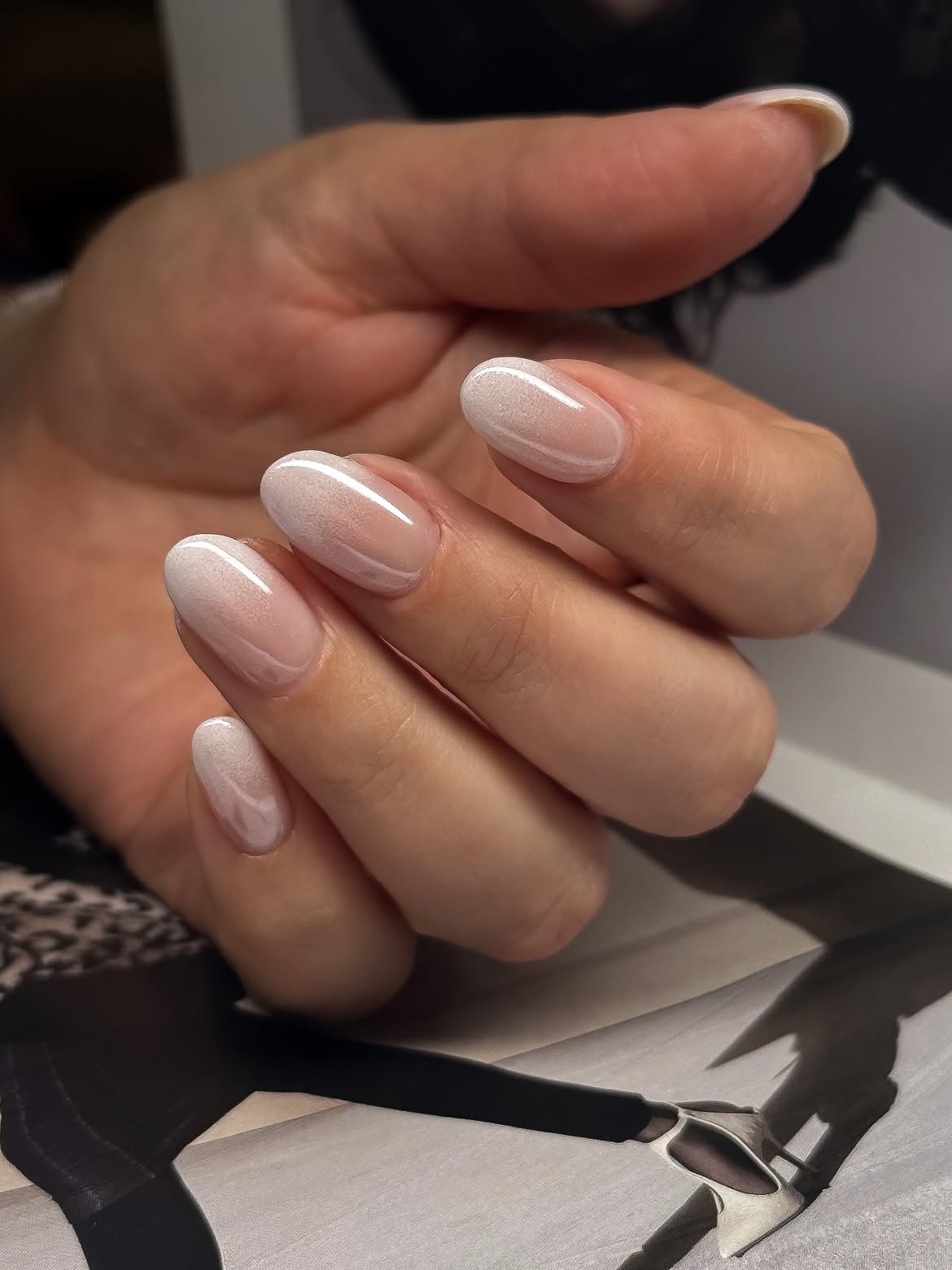
Are Russian Manicures Safe? What You Need to Know Before Booking
Type "is Russian manicure safe" into Google and you'll discover something interesting. Not just articles — questions. Lots of them. "Can it damage your nails?" "Does it hurt?" "Is the e-file dangerous?" "Why do some people love it while others say to avoid it?" The internet has a remarkable talent for turning nuanced topics into dramatic headlines.
Somewhere between social media clips, viral videos, and comment sections filled with conflicting opinions, it's easy to come away thinking a Russian manicure is either the greatest invention in nail care, or something that should require a warning label.
Reality, thankfully, is much less theatrical. Like most professional beauty services, a Russian manicure isn't inherently safe or unsafe. It depends. Not the answer people usually hope for. But it's the honest one.
A properly performed Russian manicure can be an exceptionally precise, clean, and gentle service that helps create beautiful, long-lasting manicures. The exact same technique, performed by someone without proper training, rushed through with poor equipment, or done without proper sanitation, can lead to problems.
Notice what the sentence revolves around. Not the tool. Not the country the technique originated from. The person using it. That's an important distinction because many of the conversations surrounding Russian manicure risks focus on the machine rather than the hands controlling it. Imagine blaming a violin because someone played out of tune. The instrument wasn't the issue. Neither is the e-file.
If you're considering booking a Russian manicure Chicago appointment and wondering whether it's the right choice for you, this guide will separate myths from reality and explain exactly where the real risks exist — and where they don't.
Why People Are Concerned About Russian Manicures
The concerns aren't completely imaginary. They're simply incomplete. Most people first encounter Russian manicures online. Usually through short videos. The camera zooms in dramatically. A tiny rotating bit moves around the cuticle. Sometimes little clouds of nail dust appear.
Viewed without context, it can look surprisingly aggressive. The human brain fills in the blanks. "That seems painful." "Is it removing skin?" "Should it be doing that?" Perfectly reasonable questions.
Unfortunately, social media rarely pauses to explain what's actually happening.
The Name Doesn't Help
Let's be honest. "Russian manicure" sounds mysterious. Even a little intimidating. If the exact same technique had been introduced under a name like "precision dry manicure", people might react differently. Names create expectations. This one happens to sound more dramatic than the service itself.
In reality, the defining feature isn't nationality. It's meticulous cuticle preparation using professional e-file techniques. That's it. No secret chemicals. No unusual products. No hidden procedure. Just extremely detailed work where the standards of quality were once set by Russian experts.
Videos Can Be Misleading
Watching a close-up video of a Russian manicure is a little like watching surgery through a microscope. Everything appears enormous. Every movement seems exaggerated. Every sound feels louder. A tool that's only a few millimeters wide suddenly fills your entire phone screen. Naturally, it looks more intense.
The actual appointment feels very different. Most clients describe the sensation as light vibration rather than discomfort. Many even find it relaxing. Perspective changes everything.
Horror Stories Spread Faster Than Normal Experiences
Think about restaurant reviews. People rarely rush online because dinner was perfectly pleasant. They write reviews when something goes spectacularly right or spectacularly wrong. Beauty services follow the same pattern.
Thousands of successful Russian manicures happen every day without anyone posting about them. One poorly performed appointment? That story travels.
This doesn't mean bad experiences never happen. They absolutely can. It simply means the internet isn't always a reliable measure of how common they actually are.
The E-File Gets Blamed for Human Mistakes
Here's where many conversations drift off course. Someone receives an over-filed manicure. The natural nail becomes thin. The cuticle gets nicked. Instead of saying "That technician used poor technique." People often conclude "E-files are dangerous." Those aren't the same statement. Not even close.
A paintbrush doesn't ruin paintings. The painter can. An e-file doesn't automatically damage nails — improper technique can. That's a much more accurate conversation.
How the E-File Technique Actually Works
To understand e-file manicure safety, you first need to understand what the machine is actually designed to do.
Spoiler alert: it isn't designed to sand away your natural nails. Professional e-files are precision instruments. Nothing more, nothing less. They use interchangeable bits made for very specific purposes.
One bit lifts the cuticle. Another removes dead tissue. Another refines product. Another smooths tiny areas around the sidewalls. It's remarkably specialized, almost surgical in its organization. That's intentional.
The Goal Isn't Removing More
One misconception appears again and again. People assume Russian manicures involve removing large amounts of skin. They don't. Or at least they shouldn't. The objective is removing only non-living tissue that naturally builds up around the nail plate.
Healthy skin stays exactly where it belongs. An experienced technician knows the difference. That's where education matters. Anyone can buy an e-file. Knowing what not to remove takes training.
Why Dry Preparation Matters
Russian manicures are also known as dry manicures. Instead of soaking the hands beforehand, technicians prepare the nails dry. Why? Because water temporarily changes the nail.
Natural nails absorb moisture. They expand slightly. Later, they return to normal. Working on dry nails allows the technician to prepare the nail exactly as it naturally exists. That consistency helps create cleaner product application and stronger adhesion.
It's a tiny scientific detail. Yet it influences the entire service.
Precision Instead of Force
Watch an experienced Russian manicure technician closely. Really closely. You'll notice something surprising. Very little pressure. The machine does the work, the technician guides it.
Heavy pressure actually reduces control. It's similar to writing with a fountain pen. Press harder and everything becomes less elegant. Professional e-file work depends on a light touch. Always.
The Machine Doesn't Make Decisions
This might be the most important point in the entire article. The e-file is not intelligent. It doesn't know where the cuticle begins. It doesn't recognize living skin. It can't decide how much pressure to use.
The technician makes every one of those decisions. Every second, every movement, every nail. That's why asking "is e-file manicure safe" is only part of the question. A better question: "Is the person using the e-file properly trained?" Now we're much closer to the truth.
Different Speeds for Different Tasks
Professional e-files aren't used at one constant speed. Different stages require different settings. Different bits perform differently. Different nail conditions require different approaches. Working around delicate cuticles isn't the same as refining cured hard gel.
Experienced technicians constantly adjust. It's almost like driving. You wouldn't use highway speed while parking. Hopefully.
The Importance of Seeing the Nail Clearly
Another benefit of dry preparation is visibility. Because the cuticle hasn't been softened by water, technicians can clearly distinguish between healthy skin and non-living tissue. That helps create the beautifully clean finish Russian manicures are known for.
Ironically, greater precision often means greater gentleness. Not the opposite.
What Can Go Wrong — And When
Now let's talk honestly about the risks.
Yes. There are risks. Pretending otherwise wouldn't help anyone. Fortunately, most problems share something in common — they're preventable.
Over-Filing the Natural Nail
This is probably the issue people worry about most. Can a technician remove too much natural nail? Yes. If excessive pressure is used. If inappropriate bits are chosen. If the technician lacks proper education. Over-filed nails may become thin, flexible, sensitive, or more prone to breakage.
Notice something, though. This isn't unique to Russian manicures. Manual files can cause the same damage.
Damaging Healthy Cuticle Tissue
Another potential problem occurs when healthy living tissue is mistaken for excess cuticle. The result may include tenderness. Small cuts. Bleeding. Or temporary irritation.
A properly performed Russian manicure shouldn't routinely cause bleeding. That's worth repeating. Bleeding is not the goal. It's not proof of thoroughness. It's generally a sign that too much healthy tissue was removed.
Experienced professionals know when to stop. Sometimes restraint is the most valuable skill in the room.
Using the Wrong Bit
Professional e-files offer dozens of different bit shapes, materials, and grit levels. Each exists for a reason. Using a coarse product-removal bit near delicate cuticle tissue would be like trimming roses with a rusty chainsaw. Wrong tool, wrong job.
Choosing correctly is part of professional education. Clients rarely notice the bit changes. Technicians think about them constantly.
Working Too Quickly
Ironically, speed often creates more problems than the machine itself. The technician who rushes from nail to nail is more likely to miss subtle differences. One client's cuticles may be dry. Another's may be exceptionally delicate.
The safest appointments rarely feel hurried. Precision and speed rarely become close friends.
How to Choose a Safe Salon for Russian Manicure in Chicago
When people search "Russian manicure Chicago" online, beautiful photos usually catch their attention first. Perfect cuticles, glossy finishes, elegant nail art. That's understandable.
But photos only tell part of the story. The things you can't see often matter even more.
Education Should Never Be a Secret
A qualified nail technician shouldn't hesitate to talk about training. Russian manicure isn't a technique most professionals simply "pick up" after buying an e-file. It requires education. Practice. Continuing education. Experience. The best technicians never stop learning.
New products appear, new bits are developed, techniques evolve. The industry keeps moving. Great professionals move with it.
A Good Consultation Comes Before the Service
One small detail says a lot. Does your technician immediately start working? Or do they ask questions first?
Healthy consultation sounds something like this:
- Have you had gel before?
- Are your nails naturally thin?
- Any lifting?
- Any allergies?
- Any recent injuries?
- What's your goal?
Those questions aren't small talk — they're part of safe treatment planning. Every client arrives with different hands. Different expectations, different nail history. Ignoring those differences is rarely a good sign.
Clean Doesn't Mean "Looks Clean"
A beautiful salon isn't automatically a hygienic one. Fresh flowers don't sterilize tools, neither do marble countertops. Actual hygiene happens behind the scenes.
Cleaning, disinfecting, sterilizing, organizing instruments correctly, changing disposable materials — clients don't always see those processes but they should still exist. Every single time.
Beware of "Pain Means It's Working"
Occasionally you'll hear strange beauty myths. "If it hurts, it's working." "If you bleed, the manicure lasts longer." Neither statement is true. Pain isn't part of proper Russian manicure technique. Neither is routine bleeding.
Professional precision isn't aggressive — it's controlled. There's an enormous difference.
Don't Shop on Price Alone
Everyone enjoys saving money. Of course they do. But certain services deserve a little caution when prices seem unusually low. A Russian manicure requires time. Professional equipment. Sterilization. Continuing education. Quality products. None of those things are free.
The least expensive appointment isn't always the least expensive decision if poor work leads to damaged nails that require months to recover. Sometimes value and price quietly part ways.
Hygiene and Sterilization: What We Do at Flamant
Clients often notice the polished interior first. Comfortable chairs, soft lighting, beautiful nail displays. All nice things. None of them matter without proper hygiene.
At Flamant, sanitation isn't treated as an extra feature — it's simply part of professional nail care. The same way clean instruments are part of visiting a dentist. Or a medical office.
It shouldn't be surprising. It should be expected.
Every Client Deserves Properly Prepared Tools
Professional Russian manicure tools — including e-file bits — must be cleaned, disinfected, and sterilized according to professional standards before being used again. Not wiped down quickly. Not brushed off. Properly processed.
That process takes time. Which is exactly why reputable salons build it into their workflow instead of rushing between appointments.
Disposable Items Stay Disposable
Some tools are designed for one client. That's the entire point. Buffers. Files in certain situations. Other disposable materials. Once they've served their purpose they're finished.
Professional salons don't blur that line.
The Workstation Matters Too
Clients often focus on instruments. Fair enough. But cleanliness extends beyond tools.
Work surfaces, dust collection, fresh towels, gloves when appropriate, organization — tiny habits repeated consistently create a safe environment. It's almost boring in its consistency. That's actually reassuring.
Good hygiene isn't exciting — it's dependable.
Education Never Stops
One characteristic shared by outstanding technicians is curiosity. They continue learning. They refine technique. Attend advanced education. Study new products. Improve safety practices.
The beauty industry changes quickly. Professionals who stop learning eventually fall behind. Clients deserve better than outdated methods.
Who Should Avoid Russian Manicure?
Despite its popularity, Russian manicure isn't automatically the right service for everyone. Sometimes waiting is the smartest decision. Sometimes choosing a different service is.
A good technician knows the difference.
Clients With Active Nail Infections
This one is straightforward.
If you have an active fungal infection, bacterial infection, or another medical condition affecting the nails or surrounding skin, cosmetic nail services should usually wait until appropriate treatment has been completed.
Beautiful polish never outranks healthy tissue. Ever.
Open Cuts or Injuries
Fresh injuries deserve time. Even minor cuts around the cuticle should heal before detailed e-file work begins.
Healing skin prefers patience. Not appointments.
Extremely Inflamed Skin
Occasionally clients arrive after picking at their cuticles, biting surrounding skin, or experiencing severe irritation from previous services. The safest choice may be postponing the Russian manicure until everything calms down.
Sometimes the most professional answer is "Let's wait."
People Who Remove Products at Home
This surprises some clients. The manicure itself isn't always the issue — removal is. Peeling off gel polish or hard gel between appointments often causes significantly more natural nail damage than professional application ever did.
If you're committed to picking products off yourself any manicure will struggle. Including Russian manicures.
Clients Expecting Permanent Results
Russian manicures last beautifully. They are not permanent, though, since natural nails continue growing. Life continues happening.
Maintenance remains part of healthy nail care. Anyone promising otherwise is probably also a snake oil dealer.
Frequently Asked Questions
Is Russian manicure safe?
Yes — when performed by a properly trained professional using appropriate techniques, quality equipment, and strict sanitation procedures.
It always depends far more on the technician than on the technique itself.
Is e-file manicure safe?
Another common question: "Is e-file manicure safe?" Again, yes. Professional e-files are precision tools designed for careful nail preparation.
Problems generally result from poor training or improper technique rather than the equipment itself.
Can Russian manicure damage nails?
Many people start searching "Russian manicure damage nails" online after seeing alarming social media posts. A properly performed Russian manicure should not damage healthy natural nails, though. Damage usually occurs when nails are over-filed, products are removed improperly, or the service is performed by someone lacking sufficient education.
What are the biggest Russian manicure risks?
The primary Russian manicure risks involve improper technique rather than the manicure itself. Potential problems include over-filing, removing healthy skin instead of dead tissue, inadequate sanitation, or excessive pressure.
All of these risks become significantly lower when the service is performed by an experienced professional.
Should my cuticles bleed?
No. Healthy Russian manicure technique should not routinely cause bleeding. Small accidental nicks can happen in any detailed grooming service, but bleeding should never be viewed as normal or desirable.
Is Russian manicure worth it?
For many clients it sure is. If you appreciate exceptionally clean cuticles, meticulous preparation, and manicures that grow out beautifully, the technique offers noticeable advantages.
The key is choosing the right salon. Not simply the closest one.