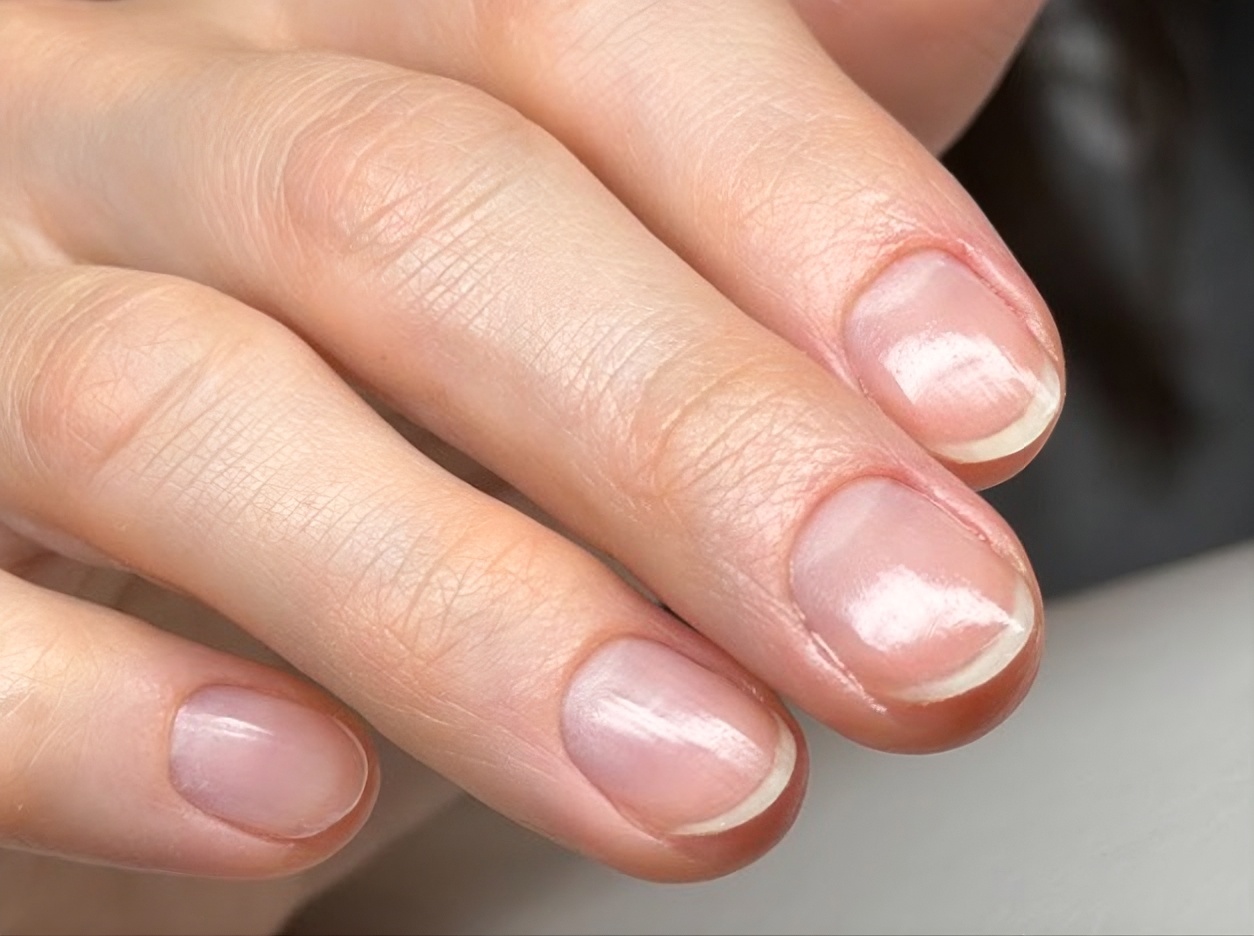

.png)





A manicure is supposed to be one of the easier forms of self-care – an hour where you sit down, relax, and walk out with hands that make you feel a little more put together. It's not supposed to come with a side of worry. But the truth is, not every salon operates the way it should, and a lot of people have sat through an appointment sensing something was off without quite knowing whether their instinct was worth trusting.
It usually is. Here are five real, specific warning signs that something at a nail salon isn't right – what they actually mean, why they matter more than they might seem to in the moment, and what to do if you spot one.
1. No Visible License, or a Technician Who Dodges the Question
In Illinois, every nail technician performing services for compensation is legally required to hold a Licensed Nail Technician credential through the state's Department of Financial and Professional Regulation – which means completing hundreds of hours of state-approved training specifically covering sanitation, infection control, and safe technique, plus passing a licensing exam.
That license isn't just a formality hanging on a wall. It's your actual guarantee that the person about to work on your hands has been trained in exactly the things that keep the service safe. If you don't see licenses displayed, or if asking about it gets you a vague answer or a defensive reaction, that's not a small detail to shrug off – it's a direct sign the salon may not be meeting the legal (and safety) baseline it's supposed to.
What to do: Just ask. A legitimate salon will have no problem confirming their technicians are licensed, and many display credentials openly at each station.
2. Tools That Go From One Client Straight to the Next
This is the big one, and it's worth understanding why it matters so much rather than just accepting "unsanitary" as an abstract concept. Cuticle work, filing, and nippers can create tiny, often invisible breaks in the skin – more than enough of an opening for bacteria, fungi, or in rarer but real cases, bloodborne pathogens to transfer from a previous client if tools weren't properly disinfected in between.
This isn't a hypothetical risk. Improperly sanitized nail tools have been documented sources of fungal nail infections, bacterial skin infections like paronychia, and – in genuinely worst-case scenarios – more serious illness. State law requires hospital-grade disinfection of all non-disposable tools after every single use, no exceptions. If you watch a technician set down a tool from your appointment and immediately use it, or reach for a tool without any visible cleaning step in between clients, that's disqualifying – not a minor inconvenience to overlook because the lighting was nice.
What to do: Watch for tools coming out of a sealed pouch, a UV sterilizer, or being pulled from a disinfectant solution. If you don't see any of that happening, ask directly how tools are sterilized between clients.
3. Files and Buffers Being Reused
This one gets missed a lot because it feels less obviously "dirty" than a metal tool – but it's actually one of the more common corners cut in lower-standard salons. Nail files and buffers are porous. Unlike metal implements, which can be properly disinfected or sterilized, porous materials trap bacteria and debris in a way that simply can't be fully cleaned out between uses. This is exactly why they're legally required to be single-use and disposed of after each client, not wiped down and reused.
If you notice a file that looks worn, has visible residue, or a technician pulls one from a shared drawer rather than opening a fresh one for your appointment, that's worth pausing over. It's a small object, but it's also one of the most direct paths for cross-contamination in the entire service.
What to do: Ask if files and buffers are single-use. A confident, immediate yes is what you want to hear – hesitation is the answer in itself.
4. Skipped Gloves, Missing Masks, and Casual Chemical Handling
Gloves and masks aren't just about protecting the client – they're also there to protect the technician, and how seriously a salon treats that tells you a lot about their overall standards. Technicians working with chemical products (primers, monomers, dust from filing acrylic or hard gel) should be wearing appropriate protection, and gloves should generally be worn during pedicure services given the closer contact involved.
A salon that treats these basics casually – gloves skipped entirely, masks absent in a visibly dusty environment, chemicals left open or unlabeled on the station – is often cutting corners in other, less visible places too. It's rarely just one isolated shortcut.
What to do: Notice the overall handling of products and protective equipment. It's a quick, honest signal about the salon's broader approach to safety.
5. Aggressive or Overused Electric Files
This is a more subtle red flag, but an important one, especially if you're specifically seeking out e-file or Russian manicure technique – which has grown a lot in popularity and unfortunately means a lot of technicians are now offering it without proper, dedicated training in it.
A skilled technician uses an e-file with control: light pressure, the correct bit for each area, and a pace that respects the natural nail plate. If your nails feel sore, unusually thin, warm, or sensitive after a service, that's not a normal side effect to just live with – it's usually a sign the tool was used too aggressively, for too long, or by someone without the specific training this technique actually requires. Repeated exposure to this kind of over-filing can genuinely thin the nail plate over time, making nails weaker and more prone to breaking rather than stronger.
This is really the crux of the whole conversation around e-file and Russian manicure services: the technique itself isn't the risk, inexperience with it is. It's precise, controlled work in trained hands, and rough, damaging work in untrained ones – with very little middle ground.
What to do: If a service feels rushed or aggressive in the moment, say something. And more importantly, look for technicians with specific, demonstrable training in e-file technique – not just general licensing – before you book, especially for anything involving cuticle work close to the skin.
Why These Small Signs Are Worth Taking Seriously
None of these five red flags are about being difficult or overly cautious. They're about recognizing that a manicure, however routine it feels, involves real tools, real skin contact, and real infection risk if the basics aren't being followed. A salon that gets these fundamentals right isn't doing anything extraordinary – they're just meeting the standard they're legally and professionally supposed to meet. A salon that skips them is asking you to accept a level of risk you were never actually told about.
Trusting your own instinct matters here too. If something feels off mid-appointment – a tool that wasn't cleaned, a technician who seems unsure or rushed, a station that isn't visibly clean – you're allowed to say something, or simply not come back. You don't need a perfect explanation to walk away from a situation that doesn't feel right.
How We Handle This at Flamant Nail Boutique
We think about this list constantly, honestly – not because it's required, but because it's the actual foundation everything else we do is built on. Every tool that touches your hands or feet is properly sterilized between clients using hospital-grade disinfecting standards, and single-use items like files and buffers are genuinely discarded after one use, never recycled to save time or cost.
Our technicians are licensed through the state of Illinois, and beyond that baseline, they train continuously and specifically in the techniques we specialize in – particularly Russian dry manicure and e-file work – because we take the risk described above seriously. This kind of precision service only stays safe and elevated when it's paired with real, ongoing, specific training, not just a general license and good intentions. We use quality, properly labeled products, including La Sultane de Saba, and if you'd like to see the entire process up close in a quieter setting, our private rooms at the Wilmette location give you exactly that.
Trust Your Instincts, and Ask the Questions
If you take one thing away from this, let it be permission to ask questions at your next appointment – about licensing, about sterilization, about anything that gives you pause. A salon confident in its own standards will never make you feel awkward for asking. And if one does, that reaction is its own answer.
Ready to experience what a genuinely careful, properly trained appointment feels like? Book your visit at our Lincoln Park or Wilmette studio, and see the difference proper training and real sterilization standards make – in comfort, in results, and in peace of mind.
Recommended
Articles
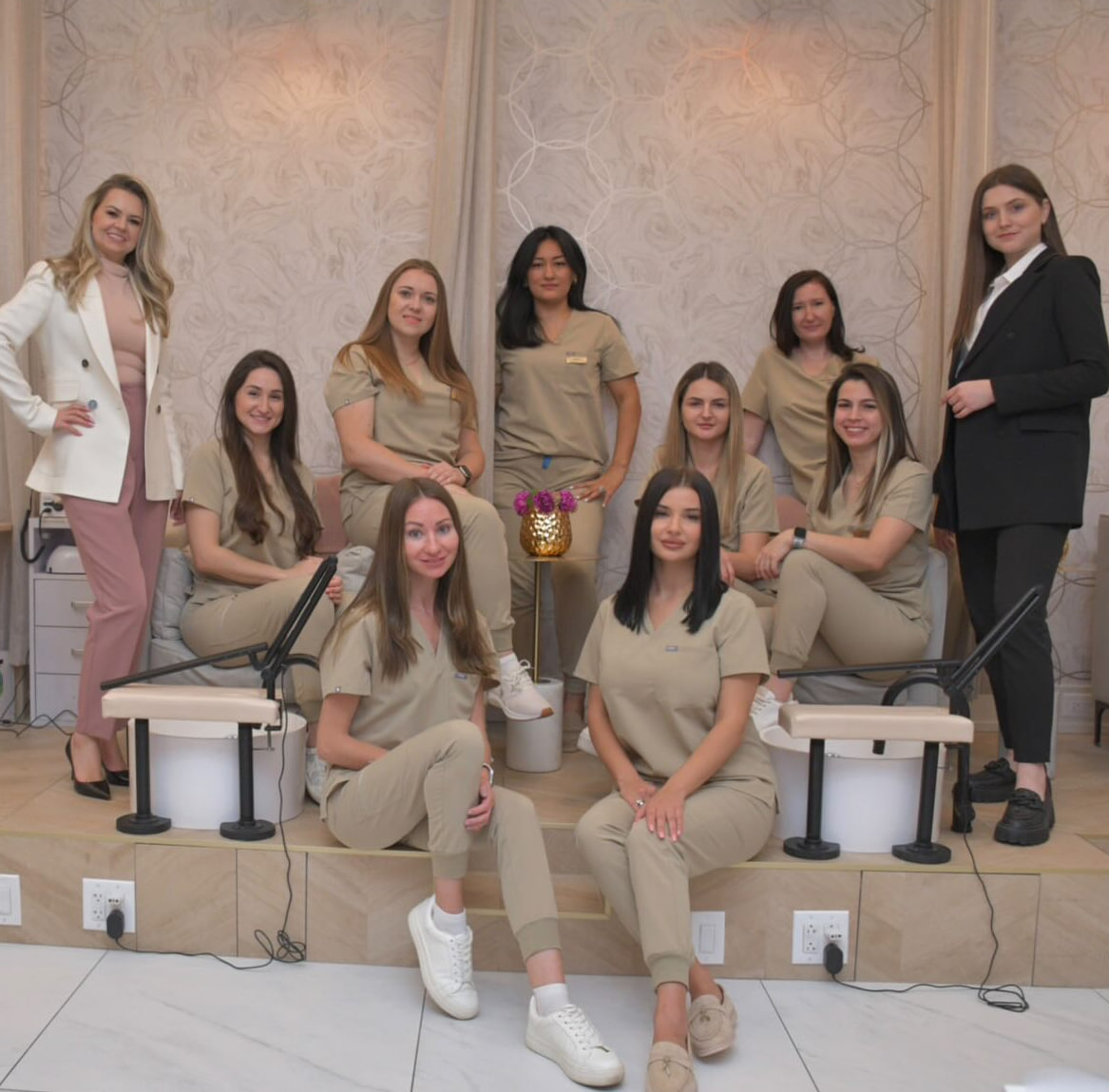
Meet the Flamant Nail Boutique Team: The Nail Technicians Behind the Salon

Nail Salon Gift Cards in Chicago: The Self-Care Gift That Always Fits